What Dog Owners Should Know About Water Bowl Biofilm
Learn why that slime on your dog's bowl is dangerous and what to do about it.
You think you’re taking great care of your pup by giving him fresh water every day. The truth is that the fresh water you pour into your dog’s water bowl can get unhealthy very quickly. A slimy substance known as biofilm can build up on the bowl's surfaces, getting into the water and potentially causing serious problems. So let's take an unpleasant but necessary look at dog bowl biofilm, from what causes it and how to get rid of it to smart preventative measures.
What Is Biofilm?
Water is tremendously good at supporting life -- and not just the life of your dog. Microorganisms such as bacteria, algae, yeast, and fungi thrive in water, especially if the water has bits of food or other nutrients in it. Over time, your pet's water bowl becomes an ecosystem where these microorganisms can thrive. The resulting sludge is called biofilm.
Although biofilm may appear colorless, it can also sport greenish, greyish, or white hues. If you feel a slippery slime along the sides of the bowl, you're feeling a layer of biofilm. Whether you notice obvious biofilm or not, you shouldn't assume that your dog's bowl is free of this substance.
Lurking Danger in Your Dog's Water Bowl
It only takes a matter of hours for biofilm to form in dog water bowls, even if the water in the bowl starts out perfectly clean. That's because a dog's mouth typically transfers food, dental plaque, and other organic matter to the water while drinking, and these food sources can fuel the rapid growth of microorganisms.
Water bowl biofilm can pose major threats to your pet's well being. The bacteria in the biofilm can include such dangerous strains as listeria and salmonella. These strains can cause digestive/nutritional concerns such as loss of appetite, vomiting, and diarrhea. Other substances in the biofilm can cause a wide range of other problems, from respiratory system reactions and skin conditions to mouth irritation.
If the water in your dog's bowl looks and feels sufficiently foul, your dog will understandably avoid drinking it. But this opens the door to another health consequence: dehydration. In addition to some of the symptoms noted above, dehydration in dogs can manifest as dry gums (which can encourage periodontal disease), lethargy, sunken eyes, and panting.
Getting Rid of Dog Bowl Biofilm
Regular, thorough dog water bowl cleaning is a must for preventing biofilm buildup. Instead of just refilling the bowl every time the water level drops, take a moment every day to empty the bowl and scrub it clean.
Keep at least two dog water bowls in rotation, with a clean bowl ready to replace the one you're currently sterilizing. Hot water and dish soap will get the job done; just remember to rinse the bowl well after washing it.
While daily water bowl cleaning will go a long way to reducing the risk for biofilm-related problems, the most stubborn bits of biofilm may still cling to the surfaces. For this reason, you should also perform a deeper cleaning once a week.
Soak the water bowl in hot, soapy water for several minutes, then scrub it with a combination of water and baking soda. You can also soak the bowl in dilutions of either bleach or vinegar -- but never both at the same time, as this combination can produce toxic gas.
The Right Water Bowl Makes a Difference
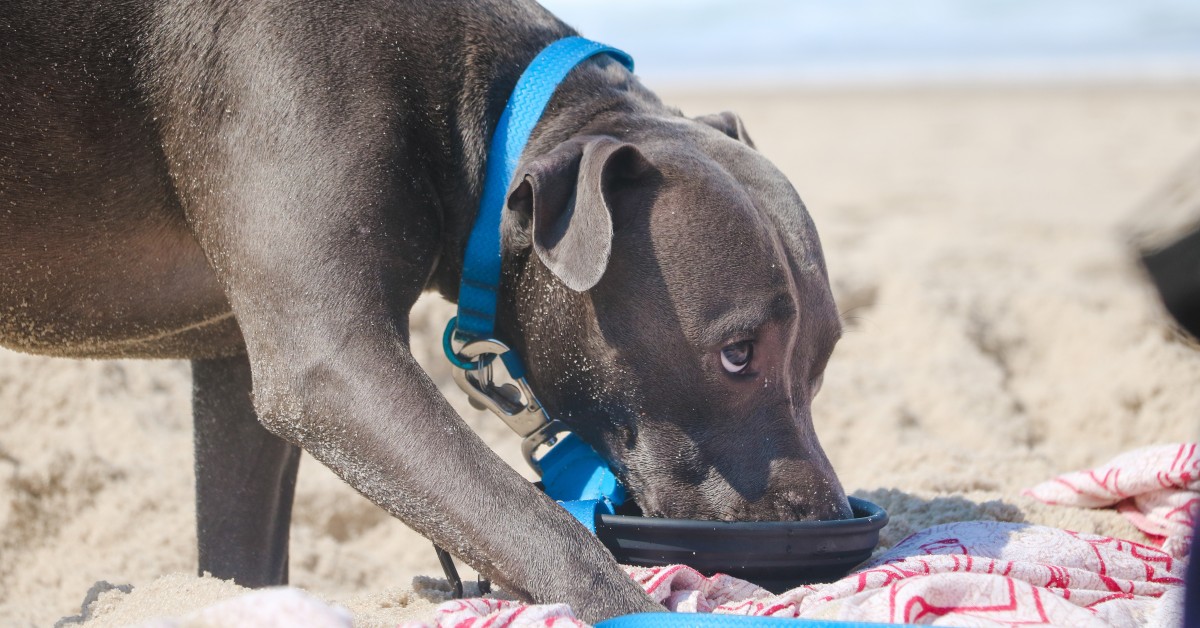
Some dog water bowls are easier to keep germ-free than others. For instance, plastic makes a poor material for a dog's water bowl despite its convenience and popularity. The plastic is prone to scratches which can accumulate and hang onto harmful microorganisms even after you've cleaned the bowl. Some dogs can even have allergic reactions when exposed to certain types of plastic.
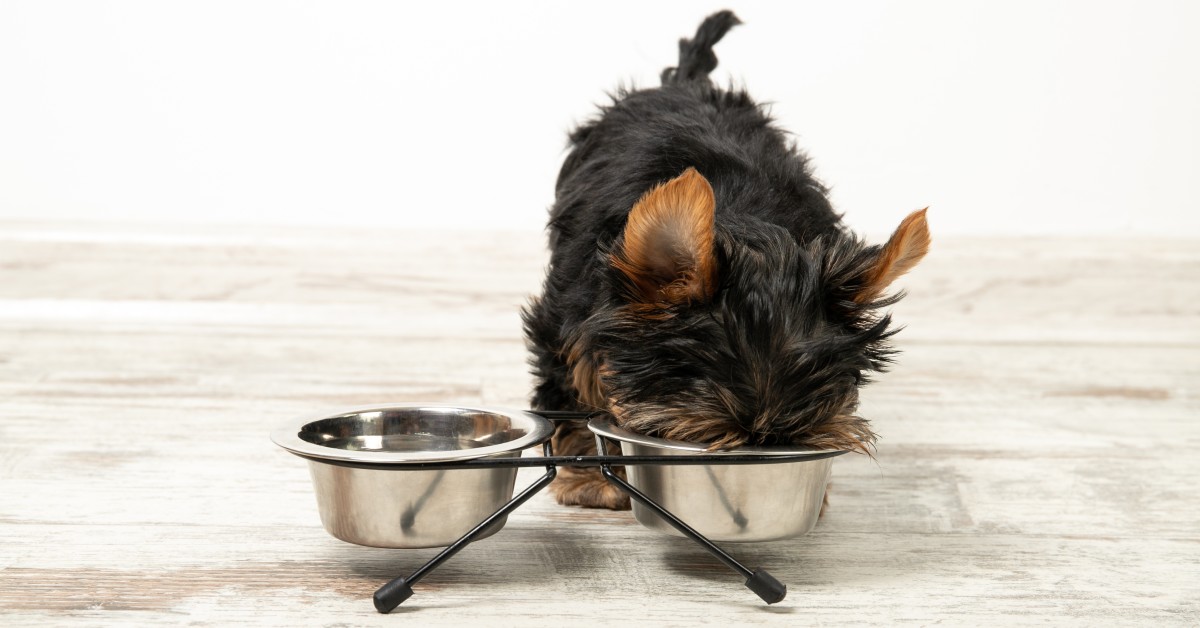
If you want to minimize your struggles with water bowl biofilm, choose bowls made from stainless steel. This non-porous material doesn't sustain damage as easily as plastic, while its slick surfaces don't provide as much of a foothold for microorganisms. Glass bowls offer similar benefits, though you may need to inspect them regularly for chips or other damage.
Ceramic is another material that makes a better water bowl option than plastic. Like glass, however, ceramic and chip or break. You may also find it inconveniently heavy compared to other materials.
You can also consider investing in a pet water fountain. Pet water fountains circulate water constantly, which makes it difficult for microorganisms to take hold. Most water fountains for pets also use a filtration system to remove contaminants like dirt, fur, and other impurities from the water.
Biofilm-Related Symptoms May Merit a Vet Visit
If your dog is showing signs of a possible skin, mouth, or digestive ailment, ask your veterinarian to evaluate the symptoms and treat the underlying condition -- which may or may not have occurred due to a dirty water bowl. This would also be a good time to talk to your vet about the dangers of dog bowl biofilm and create a smart strategy for keeping it under control. Your pet depends on you for the fresh, clean, safe water it needs to stay healthy, so do everything you can to provide it!
Ready to start saving money on pet wellness care?
Then take a look at Mint Wellness, the pet wellness plan that provides fast reimbursement on routine pet care. Save on vaccinations, wellness exams, preventatives, dental, and more!
Learn More