
Veterinary Diagnostics: A Guide for Pet Owners
A variety of tests can help your veterinarian find or confirm health issues in your beloved pet.
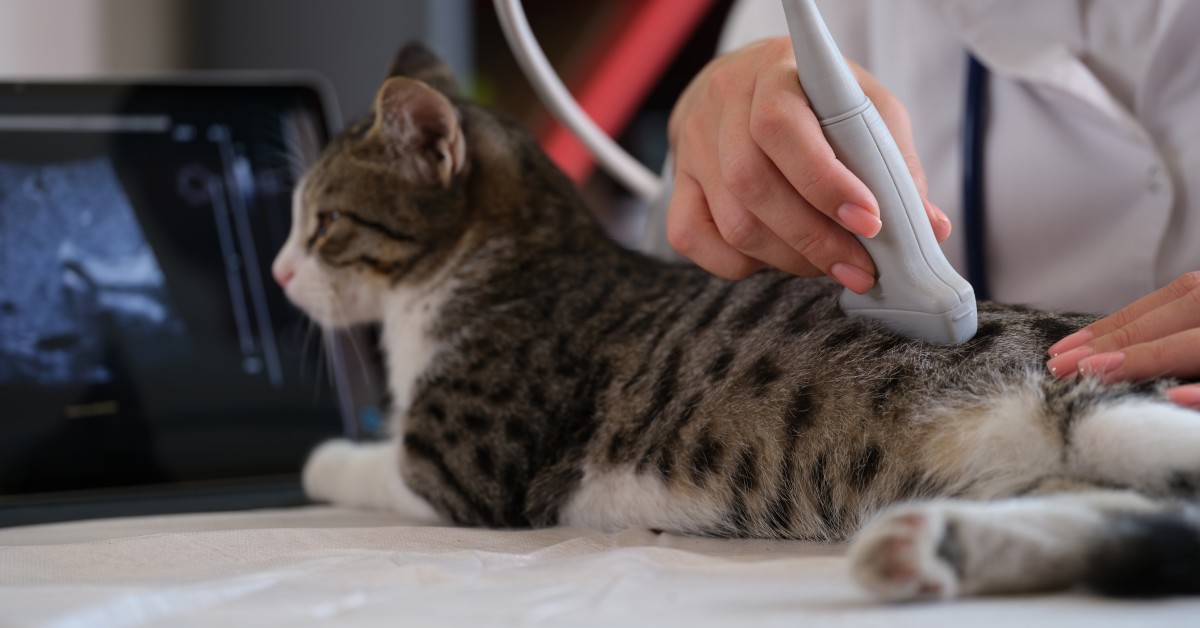
Pet diagnostics play a crucial role in helping your vet find out what, if anything, is wrong with your pet. As a responsible pet owner, it’s important to know what various diagnostic tests are for and what they’re telling your veterinarian. Let's examine the most common types of pet diagnostic tests, from how they're done to what they can reveal about your pet's well being.
Why Veterinary Diagnostic Tests Matter
On any given day, you might look at your pet and see the usual happy animal. However, a pet can appear perfectly healthy even when something is seriously wrong with it. Some animals, notably cats, instinctively try to hide pain or infirmity, making it difficult for a non-expert to identify symptoms.
Some conditions may cause no symptoms at all in their early stages. Your pet can feel fine without actually being fine at all. In other cases, a set of symptoms may point to any number of diseases and disorders, making treatment difficult until the precise cause is pinpointed.
Diagnostic testing removes the element of uncertainty while also revealing conditions that would otherwise go completely unnoticed. That's why veterinarians perform a range of diagnostic tests even in routine evaluations. The sooner your vet knows about a specific condition, the more effectively that condition can be treated.
External Pet Exams and Tests
Many veterinary exams start with external evaluations. For instance, during a routine wellness exam your vet may weigh your pet to check for issues such as obesity, use a stethoscope to listen to the heart and lungs, check your pet's blood pressure with an external cuff, and examine the skin for lumps or ulcerations. A glance at your pet's mouth can also uncover the telltale signs of tooth damage or gum disease.
Sometimes a pet's skin can serve as the medium for diagnostic testing. Allergy testing offers a prime example. In addition to blood tests and other forms of testing, a vet may shave part of your pet’s fur or hair to expose the skin to check for allergens that may be causing a reaction.
Blood Tests
Whether you're taking your pet in a routine wellness check or over a particular health concern, you can usually count on blood testing as part of the exam. The two main types of blood tests include the complete blood count (CBC) and the blood chemistry panel. The CBC can show whether your pet suffers from inflammation, an infection, an immune system issue, or anemia. The blood chemistry panel can provide details on your pet's liver, kidney, and pancreatic health.
Blood tests are also an important tool for detecting the presence of heartworms. These parasites can seriously or even fatally harm your pet, so early detection is critical.
Urine Tests (Urinalysis)
Kidney and urinary function is a hugely important aspect of your pet's overall health. Analysis of a pet's urine can reveal issues such as diabetes, urinary tract infections, dehydration, or kidney failure.
You will need to collect a urine sample from your pet and then bring it with you to your scheduled exam. If possible, try to obtain the sample just a couple of hours in advance. If you're concerned that your pet won't feel the need to go so close to the exam time, collect a sample the day or night before and keep it in the fridge. Use a sterile container with a sealable lid to collect and store the urine.
Fecal Tests
Veterinarians rely on fecal testing to check for the presence of worms other than heartworms. Whipworms, hookworms, and pinworms may not be clearly visible in your pet's poop, but a professional analysis can spot them right away. Your vet can then prescribe medication to rid your pet's body of the parasites.
Fecal testing can also help pinpoint the cause of digestive disorders. In many cases, diarrhea and other symptoms are caused by protozoans such as giardia.
Diagnostic Imaging
Sometimes a vet needs to look inside an animal's body to diagnose a condition. Instead of performing exploratory surgery, however, your vet can usually see what needs to be seen through diagnostic imaging.
Diagnostic imaging for pets may involve ultrasound, x-rays, or computerized tomography (CT) scanning. Ultrasound can reveal the state of a pet's inner soft tissues as well as showing the presence of fetuses in pregnant animals. X-rays are commonly used to diagnose bone and joint injuries or diseases. CT scans create detailed three-dimensional images when a two-dimensional image can't provide enough information.
Learn More About Pet Diagnostics From Your Vet
The more you know about pet diagnostics, the more easily and thoroughly you'll understand what your vet is doing and why during an exam. Feel free to ask your veterinarian about the various diagnostic techniques employed and how often you should schedule diagnostic exams. A well-informed pet owner can help a pet remain that much healthier and happier!
Ready to start saving money on pet wellness care?
Then take a look at Mint Wellness, the pet wellness plan that provides fast reimbursement on routine pet care. Save on vaccinations, wellness exams, preventatives, dental, and more!
Learn More