Canaries vs. Finches: Which is Better for Beginner Bird Owners?
Get an in-depth look at two of the most popular pet birds, canaries and finches. Learn about their personalities, care needs, and what new owners can expect.

Walk past any bird display and you’ll quickly understand why beginners are torn between canaries and finches. Both species are small, charming, and full of personality, but each offers something uniquely appealing for new bird owners.
Choosing between these feathered favorites isn’t difficult once you understand their distinctive personalities, care needs, and what daily life with each one actually looks like. Let’s break down the main differences between these species to determine which is best suited for beginner bird owners.
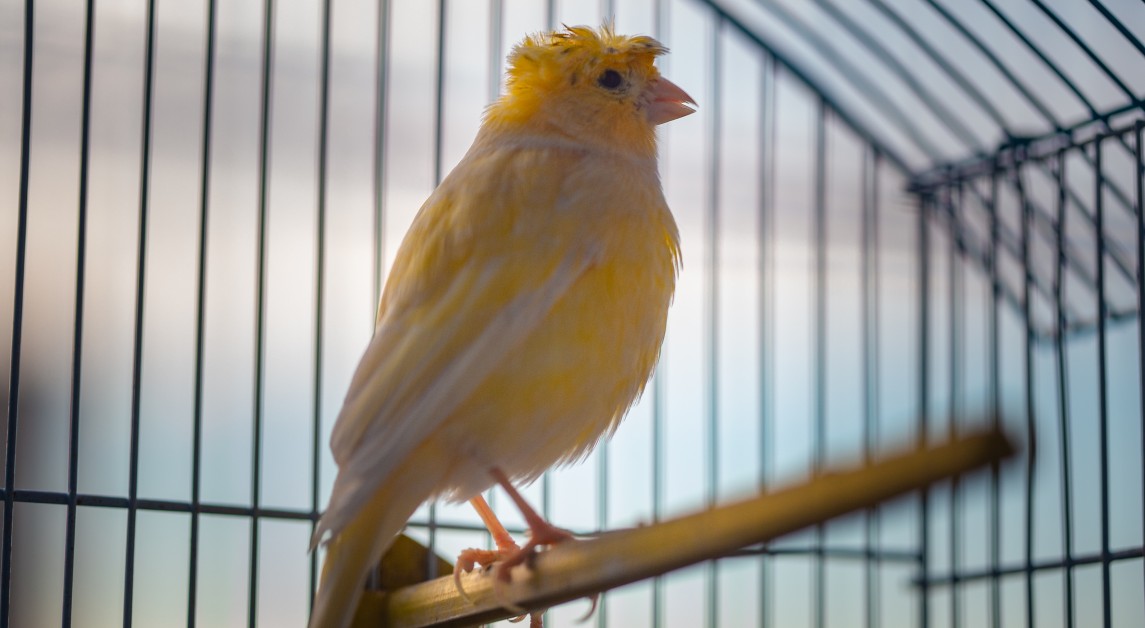
Canaries: Graceful and Independent Companions
Canaries are iconic for one thing: their voice. For centuries, people have kept these singing birds for the pure joy of their melodic performances. Male canaries, in particular, are known for their impressive vocal range, which has been compared to the sound of tiny wind instruments.
Temperament & Personality
Canaries are generally calm, gentle, and enjoy their independence. Unlike many flock-oriented birds, they don’t crave constant social interaction. In fact, many do best when housed alone, where they don’t have to compete for territory or attention.
This makes canaries ideal low-maintenance pets for beginners who want a beautiful, engaging bird without the pressure of hands-on bonding.
Handling & Interaction
Canaries aren’t typically “cuddle me” birds. While they can learn to tolerate a hand in the cage for feeding or cleaning, they prefer to keep a respectful distance. Their charm lies in observation. Owners are encouraged to watch their curious movements and listen to their songs.
Care & Housing
A proper aviary setup for a canary includes:
- A spacious cage with room for flying back and forth
- A variety of perches
- Toys that encourage gentle movement, like swings
- Fresh veggies and high-quality seed or pellet diets
They don’t require a companion, but they do require a quiet, stable environment to feel safe.
Why Beginner Bird Owners Love Them
- Minimal handling expectations
- Incredible singing
- Low mess compared to many birds
- Peaceful temperament
If you want a bird that entertains you from a comfortable distance, a canary is an excellent choice.
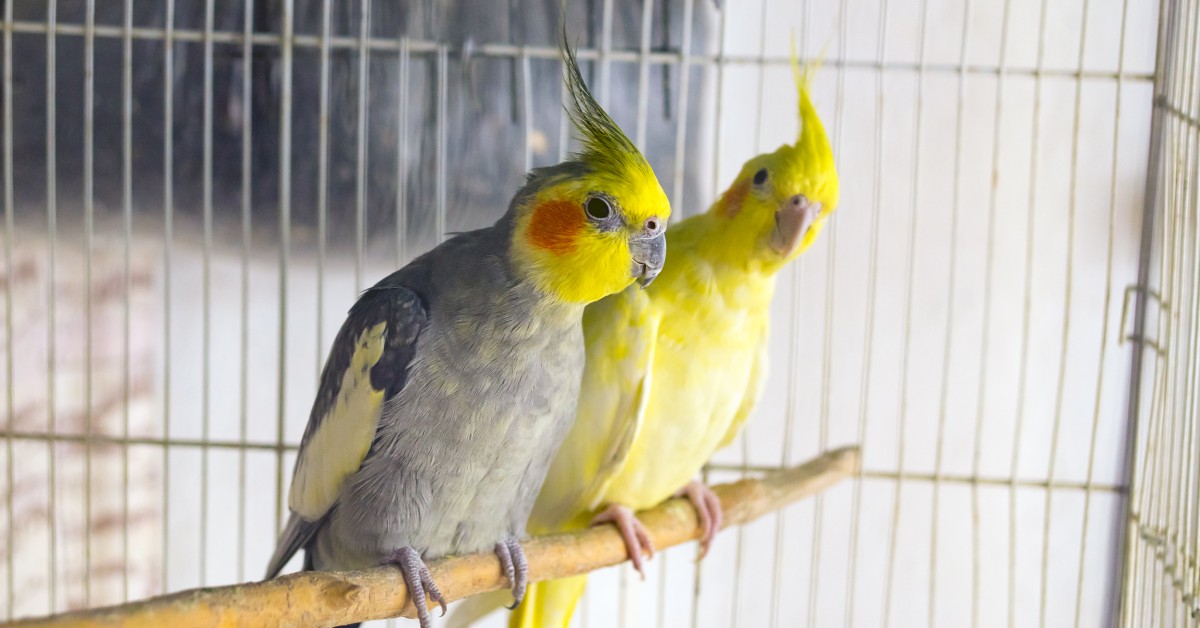
Finches: Energetic Companions for Social Bird Lovers
Where canaries prefer solo activities, finches tend to be more energetic and willing to interact with their bird companions. They thrive in pairs or small groups and bring a playful, upbeat energy to any home.
Temperament & Personality
Finches are social birds, cheerful, busy, and happiest when they can interact with their own kind. Their constant chattering, flitting, and playful hopping can turn a space into a fun and entertaining environment.
Unlike canaries, finches rarely sing solos. Instead, they make soft peeps and chirps that blend into a pleasant background soundtrack.
Handling & Interaction
Finches generally don’t like being touched or handled. They’re more skittish than canaries, and much faster, which can make them difficult to catch if needed.
But for many owners, this is part of their charm. They offer companionship through observation, not physical closeness.
Care & Housing
Finches must not be kept alone. They require pairs, or better yet, small groups, to stay mentally healthy. Their bird care needs include:
- A wide cage for horizontal flight
- Nesting materials (even if they’re not breeding)
- Multiple perches and wider bar spacing
- A consistent daily routine
Finches tend to be active eaters, so they may make a bit more mess than canaries. But their bright personalities make up for it.
Why Beginners Love Them
- Endless entertainment
- Quiet, pleasant vocalizations
- Thrive without a lot of handling
- Social and playful
If you enjoy watching the lively interaction of a mini flock, finches may be the perfect fit.
Which One Is Easier for Beginners?
Both birds are beginner-friendly, but they fit different lifestyles and personalities. Here’s a straightforward comparison to help you decide:
Choose a Canary If You Want:
- A quieter, more independent bird
- One singer rather than a flock
- A pet that doesn’t require social interaction
- Something peaceful, gentle, and visually striking
Canaries are often recommended for beginners who want a simple, relaxing bird-keeping experience.
Choose Finches If You Want:
- A lively, buzzing atmosphere in your home
- Multiple birds that entertain one another
- A species that is happiest without hands-on interaction
- More movement and activity to observe
Finches are great for beginners who love the idea of building a small, dynamic flock.
Care Requirements: What Both Birds Need
Despite their differences, canaries and finches share some basic needs that all new bird owners should be ready for.
Daily Essentials Include:
- A clean cage with fresh food and water
- Safe, properly spaced perches
- Access to natural or full-spectrum lighting
- Occasional fresh fruits and greens
- Clean air (no candles, aerosols, or fumes)
Both species are sensitive to environmental changes, so consistency matters.
Health Considerations
Neither canaries nor finches are high-maintenance in terms of veterinary care, but you should watch for signs of avian illness, such as:
- Lethargy
- Fluffed-up feathers
- Changes in droppings
- Reduced appetite
Regular check-ups with an avian vet help keep them in top shape.
Final Thoughts: Which Bird Wins?
The truth is, there’s no single “winner” in the canaries vs. finches debate. The best choice depends entirely on your personality, lifestyle, and what kind of companionship you want from your feathered friend. With proper care, patience, and curiosity, either bird can make your first experience as a pet parent memorable and incredibly fulfilling.
Ready to start saving money on pet wellness care?
Then take a look at Mint Wellness, the pet wellness plan that provides fast reimbursement on routine pet care. Save on vaccinations, wellness exams, preventatives, dental, and more!
Learn More