Creating a Safe and Enriching Cage for Your Lovebirds
Build a comfortable, stimulating lovebird cage helps keep these small parrots healthy and safe.
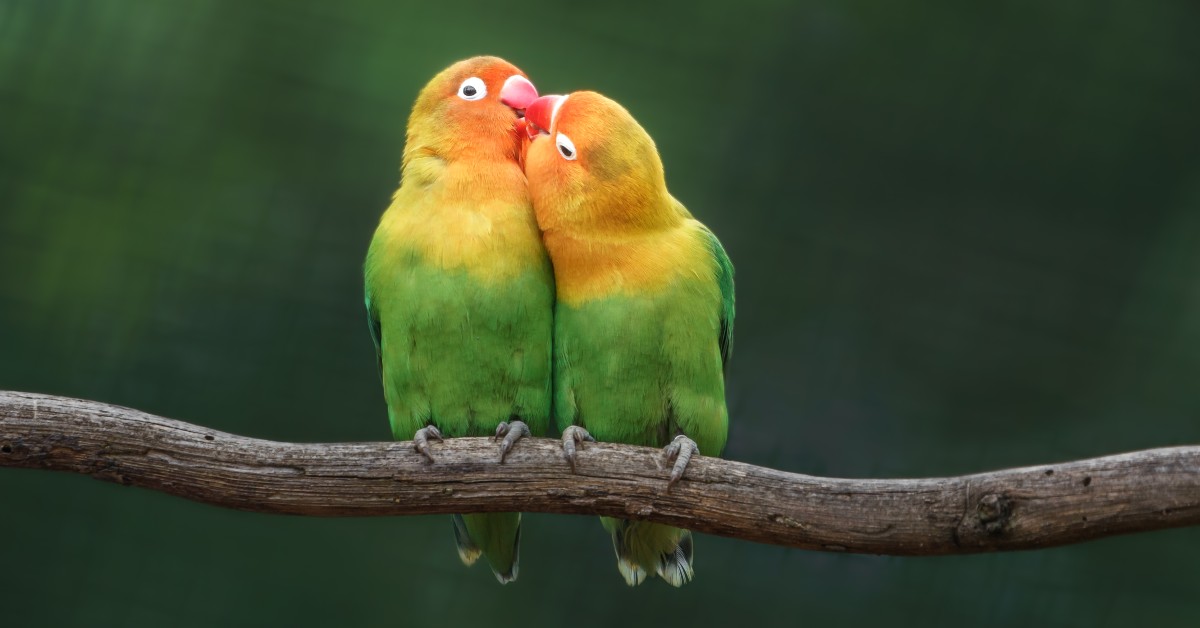
Lovebirds may be small, but their personalities are anything but. These curious, energetic parrots thrive when their environment supports both their physical needs and their natural behaviors. A well-designed cage does far more than simply contain your bird. It becomes the center of their world, influencing everything from mood and activity level to long-term health.
Whether you are bringing home lovebirds for the first time or upgrading an existing setup, creating a safe and enriching cage is one of the most important responsibilities you have as an owner. With a little planning, you can build a space where your lovebirds feel secure, stimulated, and eager to interact with their surroundings.
Choosing the Right Cage Size and Shape for Your Lovebird
Cage size plays a huge role in your lovebird’s quality of life. Lovebirds are active flyers and climbers, even in captivity, and they need room to stretch their wings and move freely. A cage that is too small can lead to frustration, stress, and even physical issues over time.
Horizontal space is especially important as lovebirds prefer flying side to side rather than straight up and down. Bar spacing should be narrow enough to prevent heads or feet from getting stuck, while still allowing good visibility and airflow. A rectangular cage tends to work better than round designs, which can disorient birds and limit usable space.
Safe Cage Materials and Placement for Lovebirds
Safety begins with the materials used in your lovebird’s cage. The cage should be made from bird-safe metal with a non-toxic finish. Cheap coatings can chip or flake over time, posing a serious health risk if ingested.
Where you place the cage in your home matters just as much. Lovebirds enjoy being part of household activity but can become stressed if exposed to constant noise, drafts, or sudden temperature changes. A well-lit room with indirect sunlight is ideal, allowing your birds to experience a natural day-night cycle without overheating. Keep the cage away from the kitchen, as fumes from nonstick cookware can be deadly to birds.
Lovebird Perches That Support Healthy Feet
Perches are more than just resting spots, as they can directly affect your lovebird’s foot health. Use only smooth, uniform perches to prevent pressure sores and discomfort over time. Variety is key when it comes to perch texture, diameter, and material.
Natural wood perches encourage healthy gripping and help keep nails worn down naturally. Placing perches at different heights allows lovebirds to choose where they feel most comfortable throughout the day. Thoughtful perch placement also prevents droppings from falling into food and water dishes, keeping the cage cleaner and more hygienic.
Lovebird Feeding Stations and Clean Water Access
Food and water placement can influence both hygiene and behavior. Dishes should be securely attached to the cage to prevent tipping and contamination. Stainless steel or ceramic bowls are easier to clean and less likely to harbor bacteria than plastic options.
Lovebirds benefit from having food stations positioned where they can eat comfortably without feeling exposed. Fresh water should be available at all times and changed daily. Regular cleaning of dishes helps prevent illness and supports overall well-being.
Toys That Encourage Natural Behaviors in Your Lovebird
Mental stimulation is just as important as physical safety when it comes to lovebird care. In the wild, lovebirds spend much of their day foraging, chewing, and exploring. An enriching cage setup encourages these same behaviors in captivity.
Toys that allow shredding, chewing, and problem-solving help prevent boredom and destructive habits. Rotating toys every few weeks keeps the environment fresh and interesting without overwhelming your birds. It is important to choose toys made from bird-safe materials and to inspect them regularly for wear that could cause injury.
Creating Space for Movement and Play
A cluttered cage can limit movement and reduce enrichment, even if it contains plenty of toys. Lovebirds need open space to hop, climb, and flutter between perches. Strategic arrangement ensures that enrichment items enhance the environment rather than crowd it.
Leaving clear flight paths encourages natural movement and exercise. Lovebirds that can move freely within their cage tend to be more confident and engaged. Balance is key, as the goal is to provide stimulation without restricting mobility.
The Importance of Routine Cleaning
A clean cage is a healthy cage. Lovebirds are sensitive to bacteria, mold, and airborne irritants, making regular cleaning essential. Daily spot cleaning removes droppings and food debris, while deeper cleaning should be done weekly.
Using bird-safe cleaning products helps protect your lovebirds from harmful chemicals. Consistent cleaning not only reduces the risk of illness but also makes it easier to spot changes in behavior or droppings that could signal health issues.
Encouraging Comfort and Security
Lovebirds are social animals that form strong bonds, and feeling safe in their environment is critical to their emotional health. Provide areas within the cage where they can rest without being constantly exposed to help reduce stress.
Maintaining a predictable daily routine, including consistent lighting and feeding times, helps lovebirds feel secure. When birds feel safe in their cage, they are more likely to explore, play, and interact positively with their owners.
The Right Cage Setup for Your Lovebird Matters
Creating a safe and enriching cage for your lovebirds is about more than buying random accessories. It’s about understanding how your birds interact with their environment. With proper space, safe materials, thoughtful enrichment, and regular maintenance, you can create a home that supports both physical health and emotional well-being.
Ready to start saving money on pet wellness care?
Then take a look at Mint Wellness, the pet wellness plan that provides fast reimbursement on routine pet care. Save on vaccinations, wellness exams, preventatives, dental, and more!
Learn More