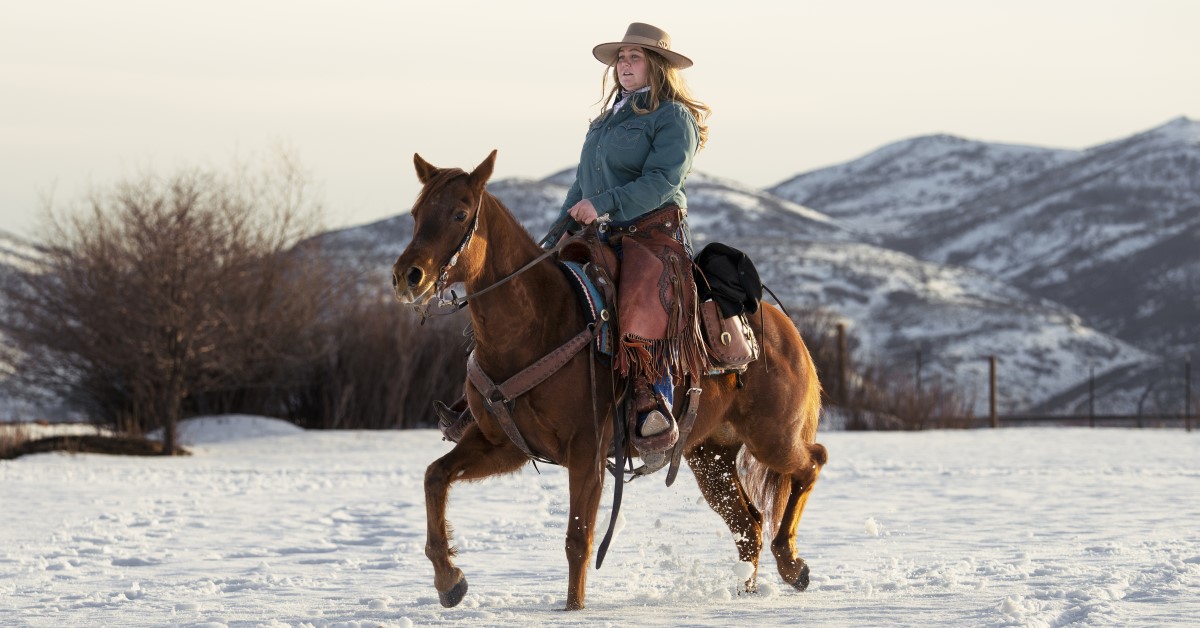
Tips on Exercising Your Horse in Winter
If you take the right steps and precautions, you can give your horse a healthy winter workout.
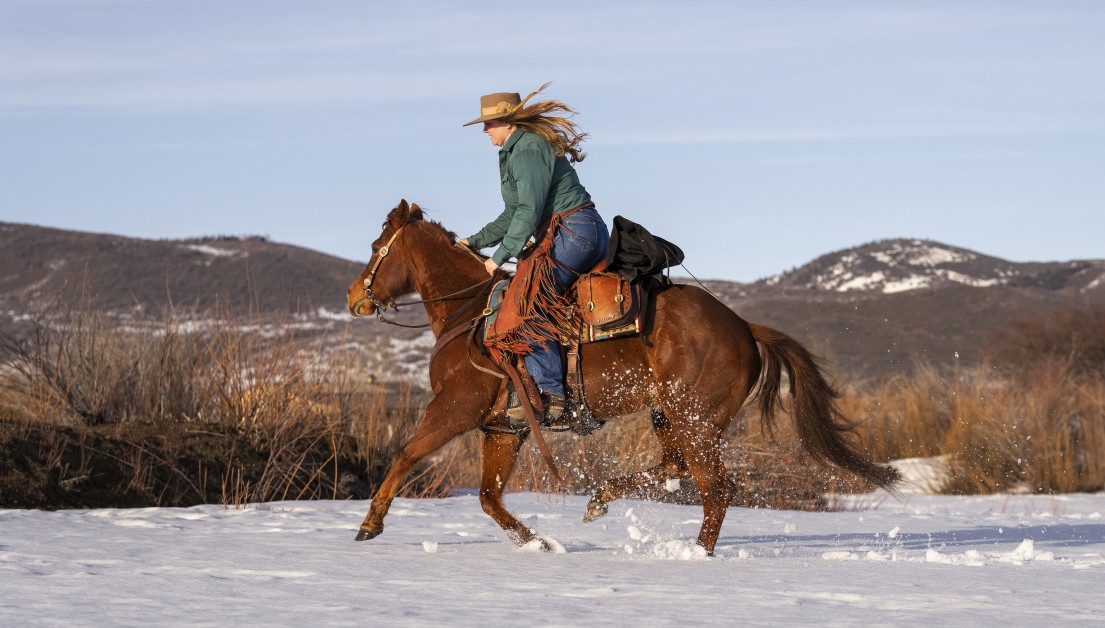
No matter how much you may enjoy taking your horse out for a brisk ride, you may think you're doing it a favor by giving it a rest on frigid winter days. However, the truth is that horses need regular exercise regardless of the season. By exercising your horse at least three times per week, even in cold weather, you'll be helping it keep its muscles toned, its weight under control, and its circulation operating at peak efficiency.
That said, winter horse exercise can require a bit more caution and preparation than might be necessary at other times of the year. Let's look at some helpful tips to ensure that you're exercising your horse as safely and effectively as possible.
Check the Temperature
How cold is too cold when it comes to winter horse exercise? Comfort-wise, it depends in part on whether your horse has had a chance to adapt to the seasonal drop in temperature. Horses that spend a lot of time in cold weather tend to grow longer, warmer coats than horses unaccustomed to such temperatures. If your horse isn't used to the cold, fit it with a horse blanket to help it feel more comfortable.
In terms of general wellness, most horses can tolerate temperatures of 32 degrees Fahrenheit or higher without trouble -- in fact, you're likely to feel the chill before your horse does in this temperature range. Between 32 degrees and 20 degrees, you may need to give your horse more of a warmup and cooldown (see below). Below 25 degrees, it's best to limit your horse's workout to a walk or trot. Do not exercise your horse at all in temperatures of 0 degrees or below.
Start With a Warmup
Winter exercise for horses should start with a gentle warmup. This step is especially critical for senior horses, horses unused to exercise, and horses with chronic injuries. Walk your horse for five minutes, then let it trot for another five minutes in large circles. Keep trotting the horse in increasingly smaller circles for another five to ten minutes. As noted above, extremely cold temperatures may call for a somewhat longer warmup period.
Take It Easy
A horse that feels exhilarated by the cold may want to go full throttle right from the beginning of a winter workout. However, you need to keep this instinct, and their overall exertion level, in check. Too hard a workout will make your horse sweat so much that it grows more vulnerable to cold-weather illnesses. At the same time, too much heavy breathing in cold weather can irritate your horse's respiratory system for hours afterward.
Take extra care along your route when exercising your horse in snowy or icy conditions. The frozen precipitation can hide hidden obstacles that might injure your horse's feet. A shoed horse will likely fare better than an unshod one in these conditions. Since slick surfaces can lead to unstable footing or even a horrifying fall, you should avoid runs or jumps on such terrain.
Cool Down and Dry Off
Just as you must warm up your horse before a winter exercise session, you must take the time to cool it down properly at the end of the session. In fact, horses typically need twice as much cool down time in cold weather than in warm weather. That's because your horse is still hot from its exertion. If you simply put it away in that condition, its muscles may cramp and its body may continue sweating. Additionally, its circulation may slow down too quickly, allowing inflammatory toxins to remain in the body tissues.
A winter cool down session need not take more than about 15 minutes. Simply walk your horse at a gentle pace, loosen its saddle (without removing it right away), and wipe the sweat away until your horse is thoroughly dry. Now you can put your horse away without worrying about any post-exercise complications.
Consider Alternatives to Riding
Sometimes you want to exercise your horse even though you have concerns about low temperatures or icy terrain. Maybe the cold is too much for you, even if your horse seems okay with it. Fortunately, you can give your horse a good, healthy workout without actually sending it out on a run or even riding it at all.
Lungeing is a common exercise for horses that can't go for a cold-weather run or trot. To lunge your horse, walk it around in circles on a long lead, both clockwise and counterclockwise, with yourself at the center. You can also invest in an indoor treadmill to give your horse a healthy walk without sending it out into a cold, windy, icy environment.
Watch Out for Exercise Intolerance in Horses
Even if you're doing everything right when giving your horse a winter workout, an issue called exercise intolerance can complicate things -- not just in colder weather, but at any time of year. If your horse struggles with unusual lethargy, breathing trouble, swollen legs, excessive sweating, anxiety, or weakness during a workout, it may have exercise intolerance. A variety of underlying health conditions can cause this problem. If you have any concerns about your horse's exercise tolerance or general fitness, consult a skilled equine veterinarian before you go galloping through that winter wonderland!
Ready to start saving money on pet wellness care?
Then take a look at Mint Wellness, the pet wellness plan that provides fast reimbursement on routine pet care. Save on vaccinations, wellness exams, preventatives, dental, and more!
Learn More