Healthy Food: A Great Christmas Gift for Your Pet
A little knowledge will help you provide festive, safe Christmas foods for your pet.
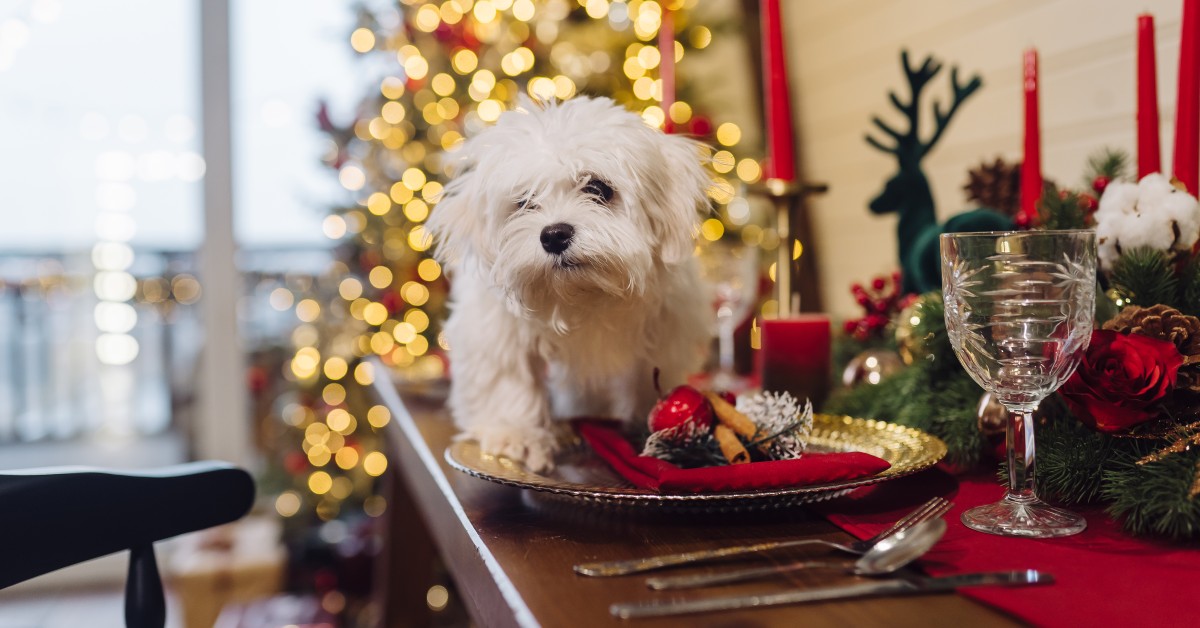
Like so many other holidays, Christmas wouldn't feel complete without some festive meals and treats. As a pet owner, your Christmas probably won't feel complete unless you can include your special friend in the festivities by giving a taste of some yummy holiday pet treats. However, just as humans can hurt their health by eating the wrong things in the wrong quantities, your pets can also be affected by what you feed them this holiday season! Let's look at how to dish up healthy, tasty Christmas foods for pets.
Holiday Foods Your Pet Shouldn't Eat
Before you start preparing your various Christmas menus, you need to understand what kinds of foods you should avoid giving your pet, not only during the holidays but all year round. First of all, pets and table scraps don't mix. However insistently your pet might beg for treats from the table, you'll be doing it a huge favor by standing firm and feeding it alternatives instead.
Foods meant for humans tend to be full of sodium, sugar, preservatives, fat, and other ingredients that can promote obesity or illness. Certain foods can even prove dangerously toxic to dogs and cats. Examples include:
- Grapes and raisins
- Onions and garlic (frequently found in holiday stuffing)
- Chocolate
- Anything containing caffeine or alcohol
- Yeasted bread dough
- Whole nuts
- Macaroni and cheese
- Dishes that contain nutmeg
- Xylitol (a non-sugar sweetener)
Not only should you steer clear of the items listed above, but you should also take care when preparing human foods that contain them. It's all too easy for a stealthy animal to grab food off a countertop or table. When you're not actually in the kitchen preparing your Christmas dinner, secure these items so your pet can't get at them.
Safe, Delicious Christmas Foods for Pets
If it sounds like we've removed the vast majority of holiday goodies, don't despair. In fact, you still have a wide range of pet-safe holidays treats and foods that you can feed your pet with confidence. You simply have to take the right steps to prepare the foods carefully and serve them in reasonable quantities.
Dogs and cats naturally enjoy many kinds of meat, of course. Chicken and turkey make perfect candidates for a Christmas entree; alternatively, you can serve beef if your pet has an aversion or allergy to fowl. Just cook these foods without added seasonings, trimming away excess fat. Unseasoned scrambled eggs are another safe, nutritious option.
One additional note when preparing these meats: Watch out for bones. Remove all obvious bones, and check for small, hidden slivers that might cause serious damage or present a choking hazard if your pet were to swallow them.
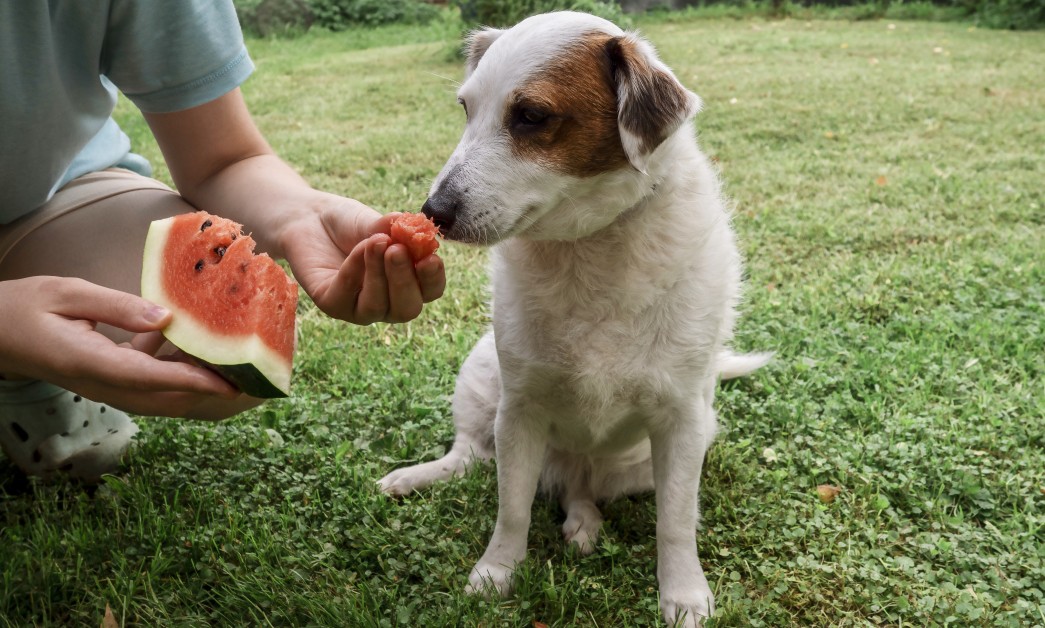
Many vegetables also serve as welcome holiday pet treats. Both dogs and cats can safely enjoy certain veggies, even though cats only get their essential nutrients from meat. Serve small portions of cooked, unseasoned Brussels sprouts, green beans, pumpkin, sweet potato, broccoli, and/or cauliflower to see which of these healthy foods your pet will love.
Did your pet leave room for dessert? If so, feel free to give it small servings of home-cooked treats featuring pumpkin, oatmeal, and peanut butter. Just make sure to avoid seasonings, sweeteners, and other problematic ingredients as noted above. You can also find a variety of holiday-themed dog or cat treats online or at your local pet store.
The Problem of Portion Sizes
Too much of even the healthiest foods can endanger your pet's long-term health. Obesity is a widespread and serious problem that can lead to all sorts of chronic diseases. Unfortunately, you may find it hard to gauge how much holiday food you're giving your pet in the frenzy of holiday activities -- especially when you're preparing an animal's Christmas goodies by hand.
Think of Christmas foods for pets as additional treats, not main meals. A good rule of thumb involves limiting your pet's holiday indulgences to 10 to 20 percent of its usual daily caloric intake. (You may have to do some research on the caloric values of the various ingredients if those ingredients don't include such data on the package label.) Once you've figured out how many calories those treats represent, subtract that number of calories from your pet's regular food portions to compensate. This approach will allow your pet to have some special Christmas meals without packing on extra pounds.
Even if your pet eats sensible portion sizes, it may still gain weight if you let it sit idle over the Christmas holiday. Exercise helps burn calories, keeps muscles toned, and tires your pet out so it will stay calm during the day and sleep well at night. You may benefit from those exercise or playtime sessions at the same time!
Unexpected Trouble? Keep an Emergency Vet Number Handy
No matter how carefully you feed your pet this Christmas, accidents can happen. For instance, your dog or cat might choke on an undetected bit of bone or consume something toxic before you can move it out of paw's reach. Find out which animal hospitals in your area offer 365-day emergency care. Keep their phone number handy, and rest assured that you've given your four-legged family member the perfect Christmas present -- the gift of good health!
Ready to start saving money on pet wellness care?
Then take a look at Mint Wellness, the pet wellness plan that provides fast reimbursement on routine pet care. Save on vaccinations, wellness exams, preventatives, dental, and more!
Learn More