Should You Feed Your Pet Raw, Homemade, or Commercial Pet Food?
Learn the pros and cons of raw, homemade, and commercial diets for your pet.
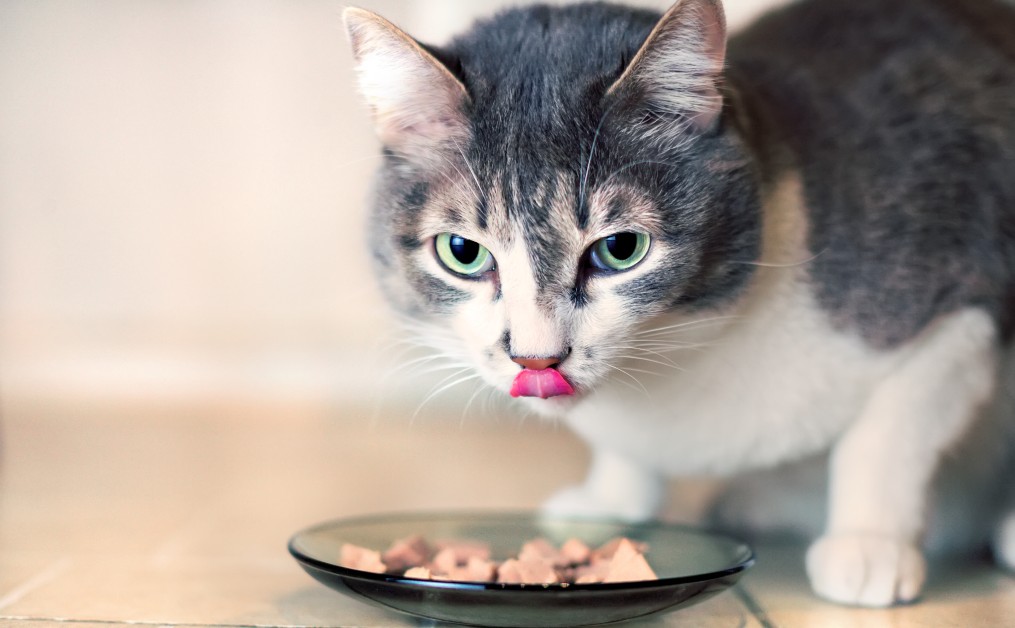
We humans are constantly besieged by advice on what to eat -- from the dangers of highly processed foods to recommendations for specific health challenges. But you may also encounter conflicting opinions on what kinds of foods you should be feeding your pet. In addition to not handing out table scraps from your human menu, you may need to consider whether you should feed your pet a raw, cooked, or commercial diet. Let's look at the advantages and disadvantages of each type of diet so you can make a more informed decision on what should go into your pet's dinner bowl.
Raw Pet Diets
Raw pet diets are based on the idea that domesticated animals should eat the same foods their wild counterparts might consume. For cats, this notion means subsisting strictly on raw meat; for dogs, it means eating only raw meat, bones, and the odd wild-growing vegetable.
Advocates of raw pet diets claim that this gives pets the nutrients they naturally evolved to eat. They typically include fresher ingredients than commercial pet diets can offer (although you can also get commercially-prepared raw pet foods). Some owners also appreciate the fact that raw pet diets don't contain hidden additives, preservatives, or other chemicals, helping them gain a clearer picture of what their pet is eating.
Unfortunately, the potential problems with raw pet diets may outweigh these benefits. For one thing, animals such as dogs have continued to evolve beyond their wild origins, which means they can eat a wider variety of foods without issues. Additionally, cooking your pet’s food (whether you cook it at home or use a commercially-cooked product) helps to kill bacteria and other microorganisms that might otherwise make your pet seriously ill.
Homemade Pet Food Diets
Many owners don't want to feed their pets a raw diet, but at the same time they would prefer to avoid processed commercial pet foods. They may enjoy cooking foods for their four-legged family members that feature fresh, pet-friendly ingredients.
DIY, home-cooked pet food can prove just as nutritious as commercial formulas as long as they include the right range of foods, prepared in a healthy manner. When you go grocery shopping, choose fresh menu items that contain a minimum of chemicals or other unwanted ingredients. This offers control over how the ingredients are balanced and how the food is cooked. If you know your pet has a special fondness of aversion to a particular ingredient, you can fine-tune meals to suit its finicky palate.
While pets can indeed thrive on home cooked meals, they also run the risk of nutritional imbalances unless you have a professional veterinary nutritionist advising you on your choice of ingredients. High quality ingredients may also cost more when you're buying them separately at the grocery store, as opposed to buying a commercial product with all the ingredients already included. Don't forget the time and effort factor involved in doing all that shopping and cooking, especially if you have a whole menagerie to feed.
Commercial Pet Diets
For countless pet owners the world over, the act of picking up some cans of commercial pet food or bags of kibble has become routine. These foods can easily be found in grocery stores and discount stores, with a variety of formulations available for every stage of an animal's life.
Convenience is the name of the game with commercial pet diets. In addition to their ready availability, they typically require no preparation beyond pouring kibble or spooning the can's contents into the pet's food dish. They come in many flavors, so owners are almost certain to find something their pets will love. Best of all, the leading brands have been carefully designed to meet an animal's nutritional needs, with no concern over microorganisms from raw ingredients.
However, even commercial pet diets can pose concerns. Not all brands offer consistent quality, with the cheaper ones often adding a long list of fillers and other mysterious substances. Occasionally, batches of these products may even be subject to recalls, forcing you to watch out for such alerts. For peace of mind, always choose commercial pet foods approved by the Association of American Feed Control Officials.
What Does Your Vet Say?
As you can see, each of the pet diets discussed above comes with its own set of potential pluses and minuses. The main thing is that you understand what kind of diet best suits your pet's individual needs based on its species, breed, age, and health. Fortunately, you can turn to someone who can help you make this choice: an experienced veterinarian.
Regular veterinary wellness exams offer the perfect opportunity to ask about your pet's dietary and nutritional needs. Your vet can weigh the animal to check for obesity, in which case a special low-calorie diet (or changes in feeding routine) may be in order. Diagnostic tests can also reveal underlying diseases or allergies that might require a special prescription diet. Get the facts you need -- and then give your pet the foods it needs for a long and healthy life!
Ready to start saving money on pet wellness care?
Then take a look at Mint Wellness, the pet wellness plan that provides fast reimbursement on routine pet care. Save on vaccinations, wellness exams, preventatives, dental, and more!
Learn More